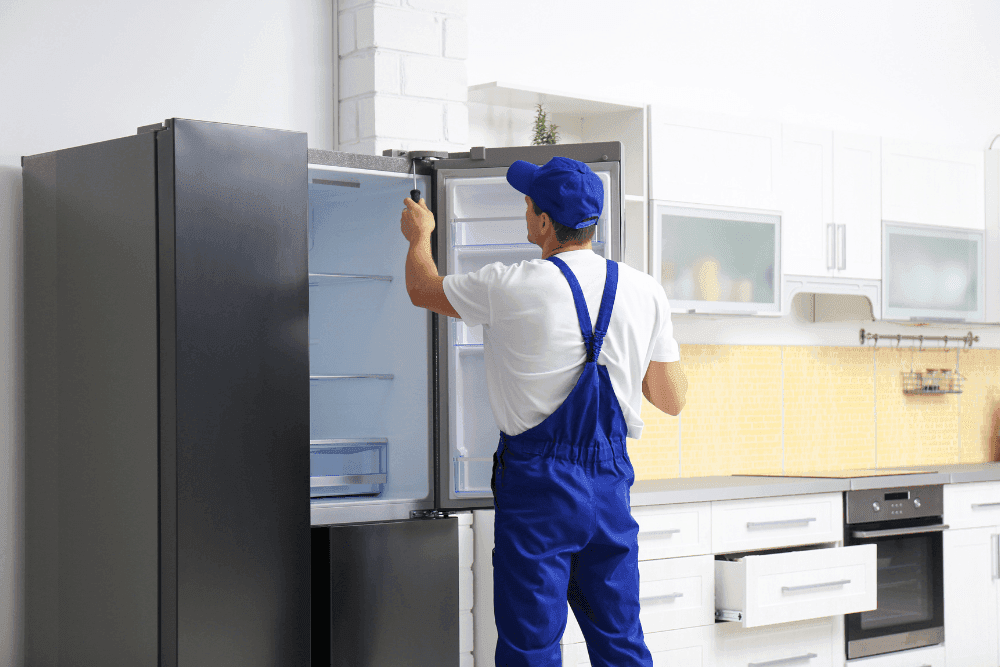
The washing machine stops draining, the AC stops cooling, or the oven's igniter dies — and the first question in a rented Abu Dhabi or Dubai apartment isn't "how do I fix this," it's "whose job is it to fix this?" There's a real legal answer here, it differs slightly between Dubai and Abu Dhabi, and it isn't quite the blanket "landlords fix everything" rule most tenants assume.
The short answer
If the appliance came with the property and it's failed from normal use, it's almost always the landlord's responsibility to repair or replace it. If you brought the appliance yourself, it's yours to maintain. If the appliance broke because of something you did — overloading it, misusing it, not maintaining it in an obviously careless way — the responsibility can shift to you regardless of who technically owns it. The details of "normal use" versus "tenant-caused damage" are where almost every real dispute actually lives.
What Dubai tenancy law actually says
Dubai's tenancy relationship is governed by Law No. (26) of 2007, as amended by Law No. (33) of 2008. Article 16 puts the maintenance obligation on the landlord in fairly direct terms: the landlord must carry out the maintenance, repair, and restoration work needed to keep the property fit for the purpose it was leased for, unless the tenancy contract says otherwise. Article 21 separately requires the tenant to return the property in the condition they received it, "fair wear and tear excepted" — which is the legal phrase doing most of the work in these disputes. Normal aging and use isn't damage; carelessness and misuse are.
Dubai tenancy contracts registered through Ejari sometimes include their own maintenance clauses that shift specific responsibilities (a common one caps minor repairs under a certain value at the tenant's expense) — so the contract itself, not just the law, is the first thing worth actually re-reading before assuming either position.
What Abu Dhabi tenancy law actually says
Abu Dhabi's tenancy law (Law No. (20) of 2006, as amended) takes a similar structural position under Article 7: the landlord must maintain the leased property and keep it fit for use, carrying out the repairs needed for that — with an explicit carve-out for what the law calls "rental repairs," the minor, routine maintenance items a tenant is expected to handle as part of ordinary occupancy, similar in spirit to Dubai's fair-wear-and-tear split.
Abu Dhabi law also puts a real time limit on tenant complaints: if a tenant is deprived of proper use of the property (a major appliance failure arguably qualifies), a dispute typically needs to be raised within one month of the issue, or the tenant risks losing the right to claim over it later — unless there's an acceptable reason for the delay. This is worth knowing specifically because a lot of tenants sit on a broken AC or water heater for weeks hoping the landlord will get to it eventually, which weakens their position if it ends up in front of a rental disputes committee.
Appliance by appliance: who's actually on the hook
| Situation | Usually landlord's responsibility | Usually tenant's responsibility |
|---|---|---|
| AC unit that came with the property | Compressor failure, refrigerant leaks, gas top-ups, unit replacement at end of life | Filter cleaning, routine servicing between landlord-arranged maintenance |
| Water heater that came with the property | Heating element failure, tank leaks, thermostat faults | N/A — largely a landlord item unless damage is clearly tenant-caused |
| Washing machine / dishwasher provided furnished | Motor, pump, control board, drum bearing failures from age and normal use | Damage from overloading, foreign objects left in pockets, not maintaining the drain filter causing a preventable failure |
| Oven / cooktop provided furnished | Igniter, heating element, thermostat failures from normal use | Damage from misuse, forced components, unauthorized modifications |
| Fridge / freezer provided furnished | Compressor, thermostat, seal failures from age and normal use | Damage from overloading shelves beyond rated capacity, forcing the door |
| Any appliance the tenant brought themselves | N/A — not the landlord's property | Full responsibility, regardless of the cause of failure |
AC unit that came with the property
- Usually landlord's responsibility
- Compressor failure, refrigerant leaks, gas top-ups, unit replacement at end of life
- Usually tenant's responsibility
- Filter cleaning, routine servicing between landlord-arranged maintenance
Water heater that came with the property
- Usually landlord's responsibility
- Heating element failure, tank leaks, thermostat faults
- Usually tenant's responsibility
- N/A — largely a landlord item unless damage is clearly tenant-caused
Washing machine / dishwasher provided furnished
- Usually landlord's responsibility
- Motor, pump, control board, drum bearing failures from age and normal use
- Usually tenant's responsibility
- Damage from overloading, foreign objects left in pockets, not maintaining the drain filter causing a preventable failure
Oven / cooktop provided furnished
- Usually landlord's responsibility
- Igniter, heating element, thermostat failures from normal use
- Usually tenant's responsibility
- Damage from misuse, forced components, unauthorized modifications
Fridge / freezer provided furnished
- Usually landlord's responsibility
- Compressor, thermostat, seal failures from age and normal use
- Usually tenant's responsibility
- Damage from overloading shelves beyond rated capacity, forcing the door
Any appliance the tenant brought themselves
- Usually landlord's responsibility
- N/A — not the landlord's property
- Usually tenant's responsibility
- Full responsibility, regardless of the cause of failure
The pattern across all of these: age-related and use-related wear on something the landlord provided is the landlord's problem. Damage from how the appliance was actually used — misuse, overloading, forcing something that shouldn't be forced — shifts liability to whoever caused it, tenant included, even on a landlord-owned appliance.
The gray areas that actually cause disputes
Almost no dispute is a clean case of "appliance broke, who pays" — the argument is nearly always over which category a specific failure falls into. A washing machine that stopped draining because the filter was never cleaned in two years sits in a genuine gray zone: is that normal wear the landlord should have serviced proactively, or tenant neglect of routine maintenance they were expected to handle? An AC that stops cooling after being run on maximum settings through an entire summer without ever having its filter checked raises a similar question. There's rarely a clean legal answer to these — which is exactly why documentation matters more than knowing the law.
What to actually do when a landlord won't fix something
- Put the request in writing. A WhatsApp message or email with the date, the fault, and a reasonable timeframe for a response creates the paper trail that matters if this goes further — a phone call alone leaves no record.
- Document the fault itself. A short video of the AC not cooling, the washing machine not draining, or the oven not igniting, timestamped, is worth more than a description after the fact.
- Give a genuinely reasonable window, then follow up. A few days for a non-urgent fault, same-day-to-24-hours for something like no cooling in summer or no hot water — and note the follow-up in writing too.
- Know what you're actually entitled to do. Under the general Civil Code principle both emirates' tenancy laws build on, a tenant who can show the landlord was notified and failed to act within a reasonable time can, in some circumstances, arrange the repair themselves and claim the cost back, or in Dubai's system pursue this through the Rental Dispute Settlement Centre. This isn't a step to take casually or without checking your specific contract and situation, but it's the actual mechanism the law provides — it isn't just "wait indefinitely."
- File with the right body if it comes to that. Dubai disputes go to the Rental Dispute Settlement Centre; Abu Dhabi disputes go through the Abu Dhabi Judicial Department's rental dispute mechanism — and remember Abu Dhabi's roughly one-month window to raise the issue from when you were affected.
The practical middle ground most tenants actually use
Waiting weeks on a dispute process over a broken fridge in August isn't realistic for most people, and the law doesn't actually require choosing between "suffer through it" and "file a formal complaint." A common, sensible middle path is booking an independent diagnostic visit yourself: a written report stating the actual fault, its likely cause (normal wear versus something else), and a repair cost estimate is useful regardless of who ends up paying. If it's clearly a landlord responsibility, that report is exactly the documentation that makes a written request to the landlord far harder to ignore or dispute. If it turns out to be genuinely urgent and the landlord is unresponsive, you have clear evidence of the fault, the date, and the cost — which is what you'd need to support a reimbursement claim later regardless of the route you take.
This is also worth doing even when you're fairly confident it's the landlord's responsibility: a clear, dated diagnostic report from a technician who isn't a party to the dispute carries more weight than your own description of the fault, and it removes the argument that the appliance "was probably fine" or the fault was somehow exaggerated.